
The process can also involve competing priorities, unexpected expenses, and decisions that require careful consideration. Establishing a clear vision, creating a realistic budget, and working with experienced professionals can make the experience more manageable. With the right preparation, you can create a home that feels personal, comfortable, and practical for years to come.

Start With a Clear Vision for Your Dream Home
Before selecting paint colors or browsing furniture, consider what you want your remodeled home to accomplish. A clear vision helps guide design decisions and keeps the project focused on the improvements that matter most.
Identify Your Priorities and Lifestyle Needs
Every household uses its living spaces differently. Some homeowners want an open kitchen for entertaining, while others need a quiet home office, additional storage, or more comfortable bedrooms. Think about how you currently use each room and what you would change if you could start with a blank slate.
Make a list of your priorities, separating essential improvements from features that would simply be nice to have. For example, repairing an aging bathroom may be more important than installing decorative wall panels, particularly when both projects compete for the same budget.
Consider your household’s future needs, too. Growing families may need flexible rooms that can change purposes over time, while homeowners planning to age in place might prioritize accessible entrances, wider walkways, and convenient bathroom layouts.
A well-defined list of goals gives you a practical starting point and helps prevent unnecessary additions as the project progresses.
Gather Inspiration Without Losing Focus
Design inspiration can help you discover styles, materials, and layouts that suit your preferences. Home design magazines, online galleries, and showroom visits can provide ideas for everything from cabinetry and lighting to flooring and decorative finishes.
Create a collection of images that reflect the atmosphere you want to achieve. Look for recurring details, such as natural wood, neutral colors, textured fabrics, or contemporary fixtures. These patterns can help you identify a consistent design direction.
However, inspiration should support your home’s practical requirements rather than dictate every decision. A dramatic design feature may look appealing in a photograph but might not work with your room dimensions, natural lighting, or maintenance preferences.
Focus on creating a cohesive look that suits your property and daily routine. You can incorporate individual trends through accessories and smaller decorative elements without committing your entire remodel to a style that may feel dated later.
Establish a Realistic Remodeling Budget
A dream home should be enjoyable to live in without creating unnecessary financial strain. Establishing a budget early helps you determine which improvements are feasible and where you may need to make adjustments.
Account for Materials, Labor, and Additional Expenses
Remodeling expenses extend beyond the price of visible materials. Your budget may need to include design fees, permits, demolition, labor, waste disposal, equipment rentals, inspections, and finishing details.
Request detailed estimates from qualified professionals and compare the proposed scope of work, material allowances, timelines, and payment schedules. The least expensive estimate may not offer the best overall value if it excludes important services or relies on materials that do not meet your expectations.
Set aside a contingency fund for unexpected conditions, especially when remodeling older homes. Hidden plumbing issues, outdated wiring, or deteriorated structural components can affect the original plan. A financial buffer makes it easier to address necessary changes without compromising the quality of the entire project.
It is also helpful to track expenses as work progresses. A simple spreadsheet or budgeting application can show how much you have spent, what remains committed, and whether adjustments are needed.
Decide Where to Invest and Where to Save
Not every feature requires a premium price tag. Concentrate your spending on improvements that affect functionality, durability, comfort, and the overall quality of your living environment.
For example, durable flooring may be a worthwhile investment in busy areas, while decorative accessories can be upgraded gradually. Similarly, high-quality kitchen storage may provide more daily value than an elaborate feature that rarely gets used.
Discuss alternatives with your contractor or designer when a preferred material exceeds your budget. Different finishes, cabinet configurations, or fixture options may provide a similar appearance at a more manageable cost.
Making these decisions before construction begins can reduce last-minute changes and help protect the project’s financial plan.

Improve the Layout and Functionality of Every Room
A beautiful home should also work well. Remodeling offers an opportunity to rethink how rooms connect, where storage is located, and how people move through the property.
Create Comfortable, Practical Living Spaces
Consider how traffic flows through your home. Narrow walkways, awkward furniture arrangements, and poorly positioned doors can make rooms feel less functional than their dimensions suggest.
An updated floor plan may improve circulation between the kitchen, dining area, and living room. However, removing walls or changing room boundaries requires careful evaluation of structural requirements, utilities, building codes, and ventilation.
Furniture placement should also be considered early. Leave adequate space around seating areas, dining tables, doorways, and frequently used fixtures. Planning these details before construction can help you avoid discovering that a new layout feels cramped once everything is installed.
Think about lighting at the same time. A combination of natural light, overhead fixtures, task lighting, and accent lighting can make rooms more comfortable throughout the day.
Choose Window Treatments That Complement Your Design
Window treatments influence privacy, natural lighting, and the overall appearance of a room. Selecting the right option can help create a finished look while supporting the way you use each space.
A roller shade can provide a streamlined appearance that works well in contemporary, minimalist, and transitional interiors. Available in different colors, fabrics, and opacity levels, roller shades can help manage sunlight and provide privacy without taking up much visual space.
Consider the direction your windows face and how much light you want to retain. Light-filtering materials may suit living areas where you want a softer glow, while room-darkening options can be useful in bedrooms.
Coordinate window treatments with wall colors, flooring, furniture, and other finishes. Measuring windows accurately and considering the placement of handles or trim can help ensure the selected treatments fit properly.
Maximize Storage Without Creating Clutter
Storage is one of the most valuable features to consider during a remodel. Well-planned cabinets, closets, built-in shelving, and concealed storage can help keep frequently used belongings accessible without overwhelming the room.
In kitchens, prioritize storage based on how you prepare meals and use appliances. Bathrooms may benefit from vanity drawers, recessed shelving, and linen storage. Entryways can be more functional with designated spaces for shoes, coats, bags, and everyday essentials.
Built-in storage can also help make smaller rooms feel more organized. However, avoid filling every available wall with cabinets or shelves. Leaving some open space allows the design to breathe and gives decorative features room to stand out.
Select Materials That Balance Beauty and Durability
Materials influence the appearance, comfort, and maintenance requirements of a remodeled home. The best choices reflect your design preferences while accounting for how each space will be used.
Choose Flooring for Each Room’s Purpose
Flooring creates a visual foundation for your interior design. Color, texture, plank width, and finish can affect how large or bright a room appears.
For homeowners who appreciate natural materials, hardwood flooring services can help with selecting, installing, refinishing, or repairing wood floors. Hardwood offers a distinctive appearance and can complement a wide range of interior styles. Its suitability depends on the room’s moisture levels, expected foot traffic, and maintenance requirements.
Other flooring materials may be more appropriate in spaces exposed to frequent splashes or humidity. Discuss the advantages and limitations of available options with a flooring professional before making a final selection.
It is also important to consider how different floors transition between rooms. Coordinating colors and installation heights can create a more cohesive appearance throughout the home.
Coordinate Colors, Finishes, and Fixtures
A consistent color palette helps connect separate rooms without making every space look identical. Choose a few complementary colors and repeat them through paint, cabinetry, textiles, hardware, and decorative accessories.
Warm neutrals can create a welcoming atmosphere, while cooler tones may provide a crisp, contemporary appearance. Natural materials, such as wood and stone, can introduce texture and visual interest.
Metal finishes deserve attention as well. Cabinet handles, faucets, lighting fixtures, and door hardware do not need to match perfectly, but they should work together within the overall design.
Before committing to large quantities of paint or materials, review samples in the actual rooms where they will be installed. Lighting conditions can change how colors appear throughout the day.

Coordinate Contractors and Prepare for Construction
Even a well-designed remodeling plan depends on careful execution. Coordinating schedules, preparing the property, and communicating with the professionals involved can help keep the project organized.
Hire Qualified Professionals for Specialized Work
Different remodeling tasks require different expertise. Depending on the scope of your project, you may need a general contractor, electrician, plumber, carpenter, flooring installer, or other specialist.
For heating and cooling updates, experienced HVAC contractors can evaluate system requirements, recommend suitable equipment, and coordinate installations or modifications. Changes to room layouts, insulation, windows, and ventilation can affect heating and cooling needs, so it is worth considering these systems as part of the overall design.
Homeowners who want backup power may also consider local generator installations when planning electrical upgrades. A qualified professional can help determine the appropriate generator capacity, evaluate placement, and coordinate the necessary electrical connections and permits. Discussing backup power during the planning stage can make it easier to account for equipment space, fuel requirements, and household energy priorities.
Verify relevant licenses, insurance, references, and experience before hiring professionals. Request written agreements that explain the scope of work, materials, schedule, payment terms, and procedures for approving changes.
Communication is equally important. Establish who will answer questions, how progress updates will be provided, and how decisions will be documented. Clear expectations can help prevent misunderstandings when multiple trades are working on the same project.
Plan for Demolition and Construction Waste
Removing old cabinets, flooring, drywall, and other materials can generate substantial waste. Planning disposal before demolition begins helps keep the work area organized and reduces the likelihood of delays.
Dumpster rental companies can provide containers suited to different project sizes and waste volumes. When arranging a rental, discuss container dimensions, delivery access, rental periods, acceptable materials, and any weight limits or additional fees.
Place the container where it can be accessed safely without blocking essential entrances or creating unnecessary inconvenience for neighbors. If the property has limited driveway space, ask about alternative placement options and any permits that may be required.
Some construction materials may be recyclable or subject to special disposal requirements. Discuss waste handling with your contractor and follow local regulations, particularly when older materials may contain hazardous substances.
Keeping the site organized helps tradespeople work more efficiently and makes it easier to track the progress of the remodel.
Prepare Your Household for Temporary Disruption
Construction can affect access to kitchens, bathrooms, bedrooms, and other frequently used areas. If the project involves several rooms, consider how your household will function while work is underway.
You may need to establish a temporary cooking area, relocate furniture, protect belongings from dust, or arrange alternative accommodations during certain phases. Keep important documents, medications, valuables, and everyday necessities somewhere accessible.
Discuss the construction schedule with your contractor so you know when water, electricity, or other essential services may be interrupted. Families with children or pets should also establish clear boundaries between occupied areas and active work zones.
A little preparation can make the remodeling process more manageable, even when the work temporarily changes your normal routine.
Protect Your Property and Outdoor Spaces
A successful remodel considers the entire property, not just the rooms being renovated. Outdoor maintenance, drainage, landscaping, and safety features can all influence how well your home functions.
Address Trees and Landscaping Before Construction
Trees and established landscaping contribute shade, privacy, and visual appeal. However, construction equipment, excavation, and changes to drainage can affect nearby vegetation.
Professional tree services can help assess trees that may interfere with planned work or require pruning before construction begins. An arborist or qualified tree care professional can also advise on protecting important roots and reducing damage to surrounding landscaping.
Discuss the location of trees, underground utilities, driveways, and planned additions before excavation starts. This is especially important when expanding patios, installing new drainage, or changing the footprint of the home.
Once construction is complete, landscaping can help connect the remodeled property with its surroundings. Choose plants suited to the local climate and the amount of sunlight available, and leave enough space for mature growth.
Improve Pool Area Safety
If your property includes a swimming pool, consider safety as part of any outdoor renovation. A remodeled pool area should balance appearance, accessibility, and appropriate protective features.
Pool safety fence services can help homeowners evaluate, install, or update barriers around swimming pools. The design should reflect applicable local requirements, including rules for fence height, gate operation, latching mechanisms, and other safety features.
A pool barrier is only one part of a broader safety plan. Active adult supervision, appropriate pool rules, and suitable rescue equipment remain important, particularly when children are present.
If the remodel includes new decking, landscaping, or changes to access routes, coordinate these elements with the pool barrier design. Planning everything together can help create a more cohesive outdoor space without overlooking essential safety considerations.
Keep Exterior Surfaces Clean and Well Maintained
Siding, patios, walkways, and driveways can accumulate dirt, algae, and other surface deposits over time. Cleaning these areas after construction can help complete the property’s refreshed appearance.
A professional pressure washing company can assess which cleaning methods are appropriate for different exterior materials. Concrete may tolerate a different approach from painted siding, wood decking, or delicate masonry, so pressure and cleaning products should be selected carefully.
Avoid assuming that every surface should receive the same treatment. Excessive pressure can damage finishes, force water into vulnerable areas, or affect softer materials. A qualified provider can recommend suitable techniques based on the surface condition and material.
Exterior cleaning is often best scheduled after major construction debris has been removed and any necessary repairs are complete. This allows the finished property to look its best without repeating work unnecessarily.
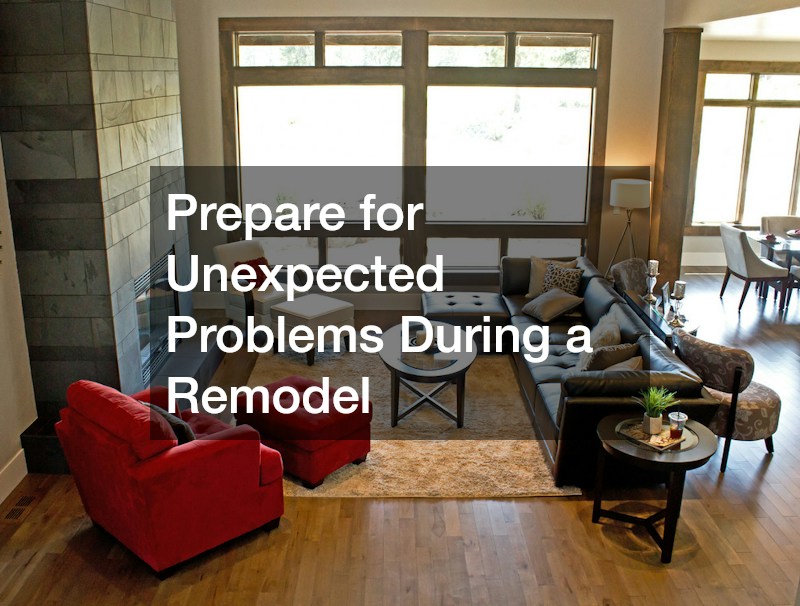
Prepare for Unexpected Problems During a Remodel
Even carefully planned projects can reveal conditions that were not visible before construction. Aging pipes, damaged framing, deteriorated insulation, and moisture problems may become apparent only after walls or floors are opened.
Address Water Damage and Moisture Concerns
Water damage can affect structural materials, finishes, insulation, and indoor air quality. If a remodel reveals staining, soft materials, persistent dampness, or signs of a leak, the underlying cause should be investigated before new finishes are installed.
Qualified local water damage restorations professionals can help assess affected areas, determine the appropriate remediation approach, and restore materials or spaces after moisture problems. The necessary work depends on the source of the water, the extent of the damage, and the materials involved.
Avoid covering damp materials with new flooring, drywall, or paint before the moisture issue has been resolved. Doing so may lead to additional repairs and compromise the finished work.
Your contractor should document unexpected conditions, explain the proposed solution, and provide a cost estimate before proceeding with additional work whenever practical. Maintaining a contingency fund can help accommodate these changes without derailing the entire project.
Include Pest Prevention in Your Plans
Construction can expose gaps, openings, and other areas that may provide access for unwanted pests. Changes to foundations, siding, plumbing penetrations, and landscaping can create opportunities to improve how well the home is protected.
Professional pest control services can help identify signs of pest activity, assess possible entry points, and recommend appropriate prevention or treatment measures. The right approach depends on the pest involved and the conditions around the property.
Ask your contractor to seal appropriate openings around pipes, cables, doors, and windows as part of the finishing process. Keep construction debris away from the foundation and address moisture conditions that may attract certain pests.
Preventive measures are generally easier to coordinate while renovation work is underway than after new finishes have been installed. Including pest prevention in your project plan can help protect the improvements you have made.
Create a Home That Continues to Meet Your Needs
The best remodeling projects balance visual appeal with everyday practicality. Once the main construction work is complete, take time to evaluate how each room functions, organize your belongings, and make small adjustments that improve comfort.
Create a maintenance schedule for new flooring, fixtures, heating and cooling equipment, exterior finishes, and other major improvements. Keep warranties, product information, permits, and contractor contacts in an organized location so they are available when needed.
You may also want to complete the design gradually. Furniture, artwork, window treatments, and decorative accessories can be added as you discover how you use the remodeled spaces. This approach gives you flexibility without requiring every finishing decision to be made during construction.
Bring Your Dream Home to Life
Creating your dream home during a remodel takes planning, patience, and thoughtful decision-making. From establishing a realistic budget and selecting durable materials to coordinating contractors and protecting outdoor spaces, each step contributes to the final result.
Start by identifying the improvements that matter most, then build a plan that reflects your household’s needs, preferences, and financial priorities. Work with qualified professionals, communicate clearly throughout construction, and allow room for unexpected discoveries.
With a practical approach and a consistent vision, you can transform your home into a more comfortable, functional, and welcoming space that supports your lifestyle for years to come.

